 AI
AI
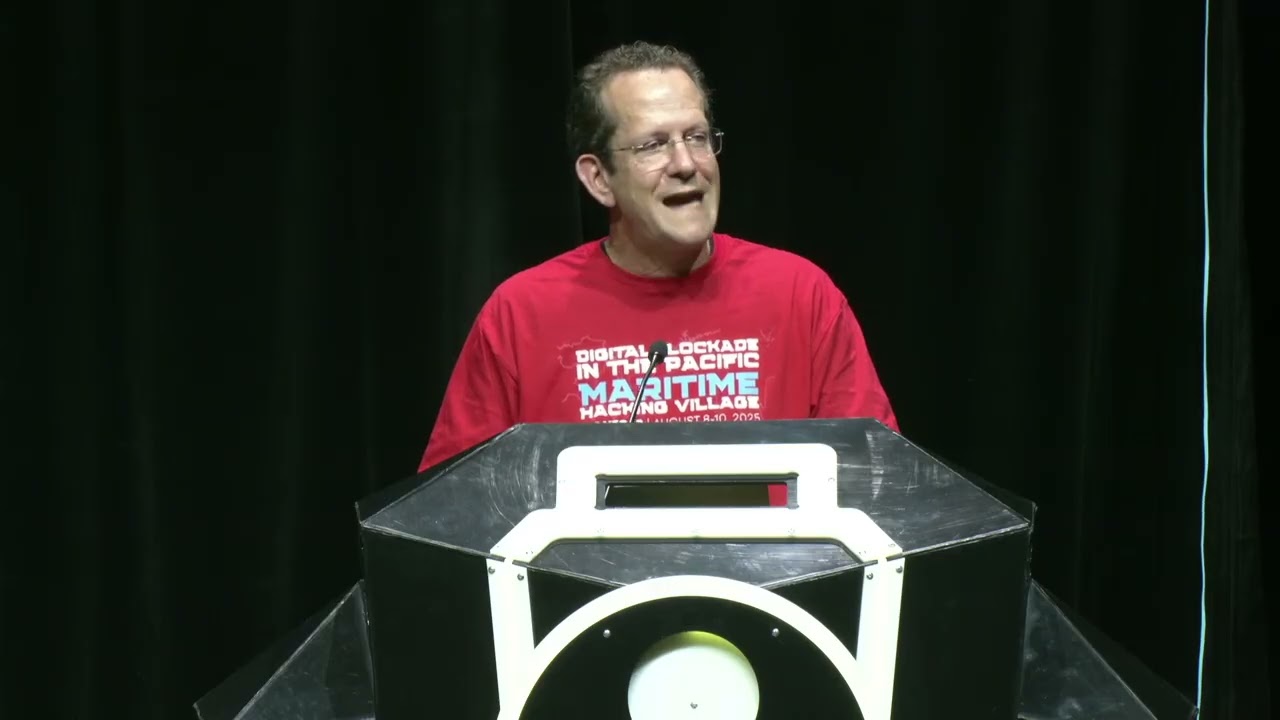
The Search at 3,800 Meters
On June 18, 2023, five people were sealed inside the Titan submersible and descended toward the Titanic wreck site. That evening, a distress alert circled the globe. Mauger, then the Coast Guard’s First District commander, became search and rescue coordinator for a SAR region extending 1,300 miles east to Portugal’s boundary. He had no organic deep-water resources. The nearest port was 400 miles away. Every decision carried a minimum 36-hour lag before anyone could act on the water’s surface.
Logistics of Getting One ROV to the Seabed
Moving one ROV to the search site required three Air Force C-17s to transport the gear from New York to St. John’s, Newfoundland. Canadian Coast Guard and Royal Canadian Mounted Police streamlined customs. Workers welded the Odysseus ROV to a ship deck through the night. Only a handful of vehicles worldwide can operate at 3,800 meters. Pundits called for more ROVs without understanding the constraint. Odysseus reached the seabed Thursday morning and found wreckage at the Titan capsule’s last known position.
What the Marine Board Investigation Found
The Coast Guard’s Marine Board of Inquiry released a 335-page report backed by over 100 hours of video testimony. It found operators classified the Titan as a novel craft to avoid inspection regimes and labeled paying passengers as “mission specialists” to sidestep passenger regulations. The carbon fiber hull had structural flaws built into its construction. Active monitoring systems sent warning signals indicating the hull was at risk. Those signals were ignored.
Maritime Cybersecurity Faces the Same Pattern
90% of world trade moves by sea. The US maritime transportation system generates $5.4 trillion in economic value each year. Ships now run on continuous high-bandwidth data streams, with IT and OT networks connected back to shore and no air gap remaining. Yet less than 1% of the global oceangoing fleet operates under mandatory, enforceable cyber regulations. Nearly 3 in 4 assessments found ships using default credentials. Half showed inadequate IT/OT segmentation. Fewer than 20% operate under security operations center coverage.
Notable Quotes
uh this is a cautionary tale. John Mauger · ▶ 3:07
this isn’t a niche problem. This is a John Mauger · ▶ 14:56
probably even less than 20% of the world John Mauger · ▶ 18:46
Key Takeaways
- The Titan disaster killed five people and exposed how regulatory seams allow operators to evade safety oversight.
- Less than 1% of the global oceangoing fleet operates under mandatory, enforceable maritime cybersecurity regulations.
- Ships lack network segmentation and active monitoring, with fewer than 20% covered by security operations centers.
About the Speaker(s)
John Mauger, Rear Admiral, USCG (Ret.), spent over 33 years leading maritime operations, national security, and cyber defense. As Commander of the First Coast Guard District, he oversaw 12,000 personnel and critical New England port operations. He led the Titan search and recovery operation in 2023. At U.S. Cyber Command, he developed a cloud-based training environment that modernized cyber exercises and increased readiness. He now leads (PORTS) LLC, helping clients in maritime and critical infrastructure sectors plan for and manage complex operational and security challenges.