 AI
AI
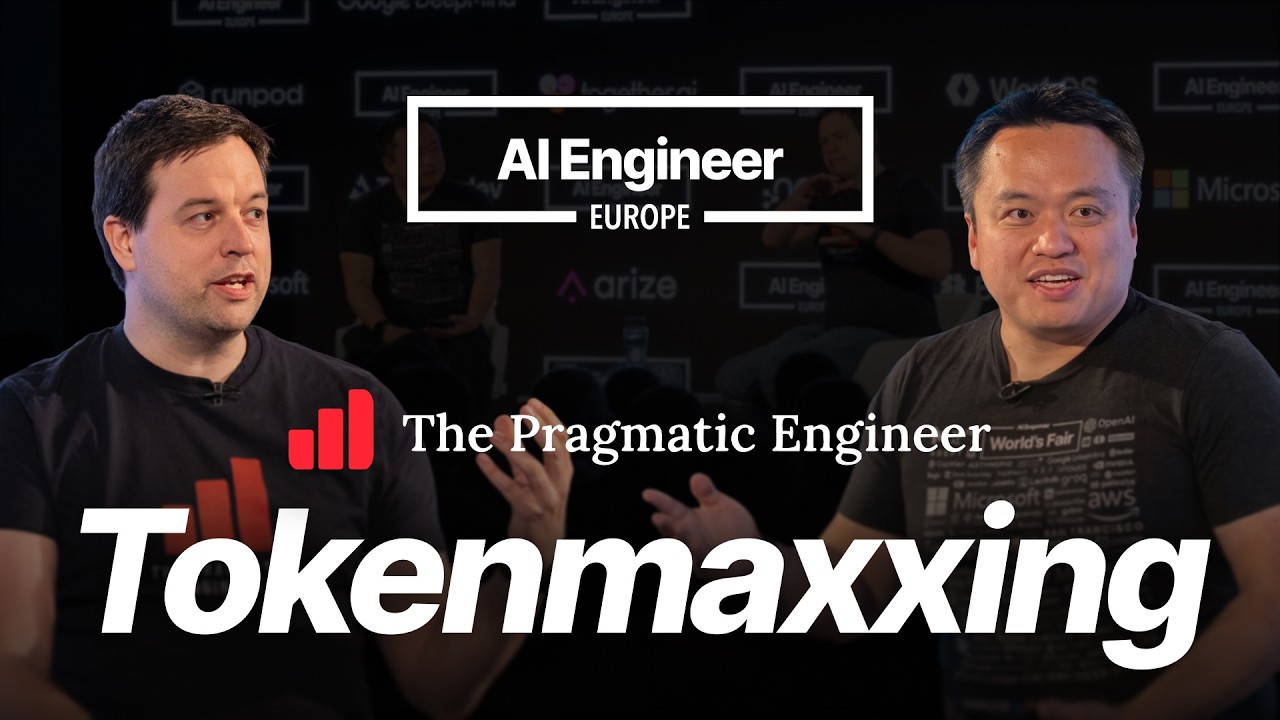
Token Maxing as Corporate Performance Theater
Meta, Microsoft, and Salesforce all measure AI token consumption. Meta ran a public leaderboard. Salesforce set a $175 monthly minimum spend target. Engineers responded by asking agents to summarize docs they’d never read and running autonomous agents to generate junk just to move the number. Meta removed the leaderboard after a press article, but engineers kept gaming it, unsure whether it still affected reviews.
“low token count clearly not even trying.” — Gergely Orosz
Gergely compares this to LeetCode interviews: big tech selects for people willing to comply with arbitrary processes, and token maxing is that same pattern applied to AI adoption pressure from leadership.
Does AI Actually Make Engineers Faster?
Individually, AI tools help. Team-wide, the gains are uncertain. The Metr study (30 people) found engineers felt 20% more productive while actual output dropped 20%. Gergely’s read: engineers who commit time do get faster, but retrofitting AI into existing team workflows is hard. Simon Willison told him two years after ChatGPT that he was still changing his approach monthly.
Understanding transformer architecture does not make you better at prompting. The teams getting real value share one trait: low ego, willing to leave their priors behind.
The Software Engineer Role Is Expanding, Not Just Shifting
The software engineer role has been absorbing adjacent functions for years. Testing collapsed in first, then devops, now product. AI is compressing the same trend for seniority: early-career engineers face expectations that used to belong to senior hires. A John Deere VP told Gergely his two-pizza teams are now one-pizza teams.
The “you’re now an engineering manager” framing is wrong. DHH called it a mech suit:
“it feels it’s more like a mech suit” — Gergely Orosz (quoting DHH)
You orchestrate multiple workstreams, stay close to the product, and skip the people drama entirely.
Why Big Tech Is Building Custom AI Infra Instead of Shipping Features
Uber is building custom background coding agents in its monorepo, an MCP gateway wired into service discovery, and AI-categorized code reviews by risk. The same pattern repeats at Airbnb, Intercom, Meta, and Microsoft. Gergely’s explanation: internal tooling is a safe place to build AI competence, large codebases never fit off-the-shelf context windows, and AI projects get headcount approved when nothing else does.
Shopify moved earliest. In 2021, its head of engineering offered 3,000 engineers as a live feedback pool for early Copilot access, absorbed the churn, and ended up six months ahead of competitors.
“gateway, what are you even doing?” — swyx
How Pragmatic Engineer Found Product-Market Fit in Six Weeks
Gergely left Uber during COVID layoffs, spotted a gap (no one writing in-depth about software engineering on Substack), and posted a teaser before publishing anything. 100 people paid $100 upfront that first week. Six weeks later, 1,000 paying subscribers matched his old Uber salary. He turned down every interview and podcast request for two years to protect the one thing driving growth: one deep article per week.
The Pragmatic Engineer became the top paid tech newsletter about four months in and held that for three years. Semi Analysis eventually overtook it.
Notable Quotes
low token count clearly not even trying. Gergely Orosz · ▶ 2:30
it feels it’s more like a mech suit Gergely Orosz · ▶ 16:31
gateway, what are you even doing? swyx · ▶ 20:07
Key Takeaways
- Meta and Microsoft ran AI token leaderboards that triggered gaming behavior before leadership shut them down.
- Orchestrating agents feels like a tech-lead role, not management: faster feedback loops, no people drama.
- Shopify got GitHub Copilot a year early by offering 3,000 engineers as a feedback pool, accepting churn as the price.