 AI
AI
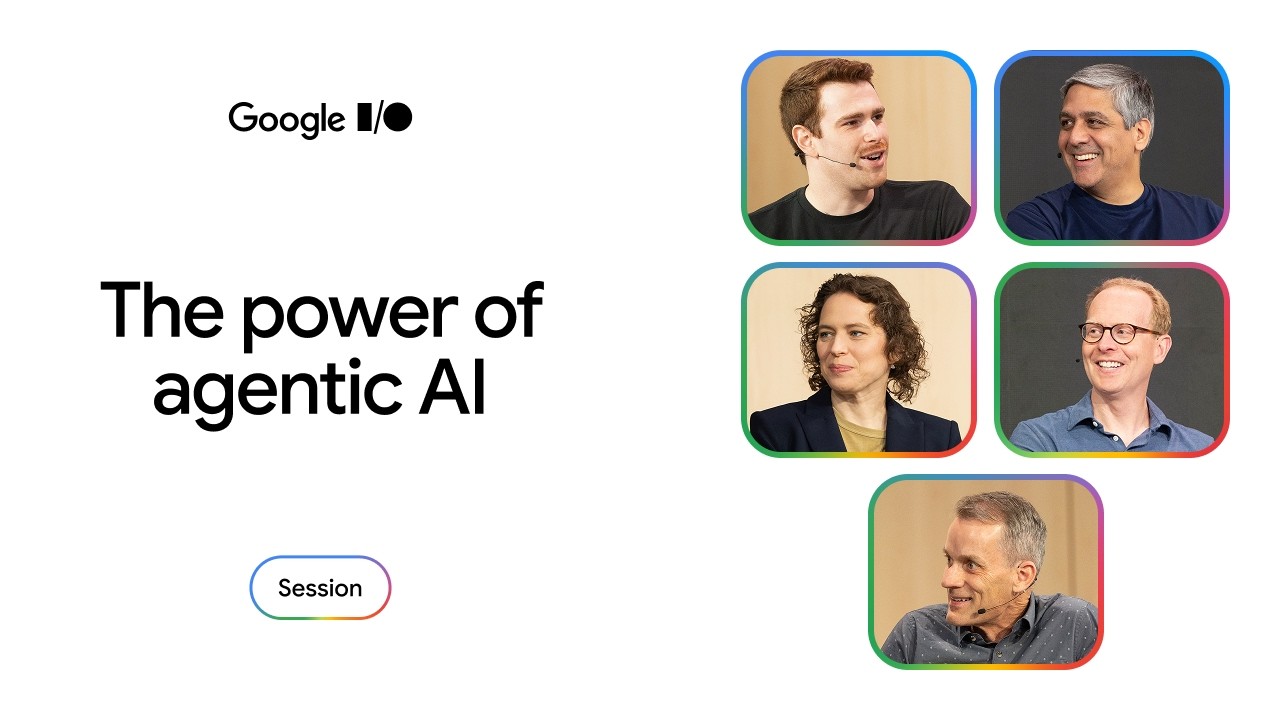
Gemini 3.5 Flash: Built for Agents
Koray Kavukcuoglu said the biggest focus for Gemini 3.5 Flash was coding and agentic workflows. The model shows a huge improvement from September 2024 when 3.0 launched. Internal use of the model for both coding and non-coding tasks revealed real bottlenecks. That feedback loop drove researchers to solve hard technical challenges like long-horizon tasks. The result is a system that enables the agentic era for consumers, businesses, and developers through anti-gravity, Gemini, and Gemini Spark.
Hardware and Inference: The TPU Advantage
Jeff Dean noted that Google has a track record of many TPU generations. The eighth-generation TPU separates training and inference chip designs. That split shows in inference speed. Fast models create a more delightful experience, even when agents act on your behalf. The inference serving team and the software stack above the hardware make it all come together. Koray added that the full stack approach — model, harness, product, hardware — is necessary to pull off agents at scale.
Search Becomes an Agentic Product
Liz Reid described the biggest upgrade to the search box in 25 years. Latency matters, but users’ willingness to wait depends on how much work the agent takes off their plate. A quick question demands lightning speed. A weekend planner that saves 15–20 minutes can take 10 seconds. With Gemini 3.5 Flash, reasoning and instruction following let search pull from sports, finance, local, and travel backends into one experience. The partnership with DeepMind goes beyond fixing individual problems — they go to the root cause.
Gemini Spark: The Always-On Agent
Josh Woodward shared that Gemini Spark, rolling out to trusted testers and all subscribers next week, is designed for asynchronous interaction. He uses it for scheduled morning tasks, triggers like researching an important email from Sundar, and daily Oklahoma City Thunder updates that talk like a die-hard fan. Spark can create documents and slide decks. The first draft is good enough to start from. The agent respects instructions — it will not send the email. Spark is built for “toss things over your shoulder” interactions.
Future Interfaces and Bespoke Software
Josh said the Labs team is exploring voice-only interfaces dialed to 11. The models with voice, shown in Docs Alive and Spark demos, point toward more natural interaction. Jeff Dean argued that long-running agents can create bespoke software — you say “I would like this thing to exist” and it goes off and makes it. That shifts software from standardized, one-size-fits-all to highly customizable. Liz added that the interface may differ per person; an agent could organize tasks the way you want, not someone else’s way.
Notable Quotes
I think like we have a system that is really enabling this like agentic era as you said for everyone. Koray Kavukcuoglu · ▶ Watch (1:43)
If the question in the user’s mind is quick, then you better be lightning fast, right? Otherwise they’re like, why the heck am I waiting? Liz Reid · ▶ Watch (5:40)
It’s very good at looking at your calendar and suggesting meetings you can cancel. Josh Woodward · ▶ Watch (38:43)
The capability of just saying, teamwork goal, build an operating system, and then it just goes and hundreds of agents works for like day and a half, and they come back with something that is actually functional. Koray Kavukcuoglu · ▶ Watch (34:00)
Key Takeaways
- Gemini 3.5 Flash delivers major improvements in coding and agentic workflows.
- Eighth-generation TPUs separate training and inference for faster model serving.
- Search integrates anti-gravity agents to create personalized, multi-source experiences.
- Gemini Spark enables asynchronous, always-on agent tasks with voice and triggers.
- Future interfaces will shift from synchronous dashboards to bespoke, agent-generated software.