 AI
AI
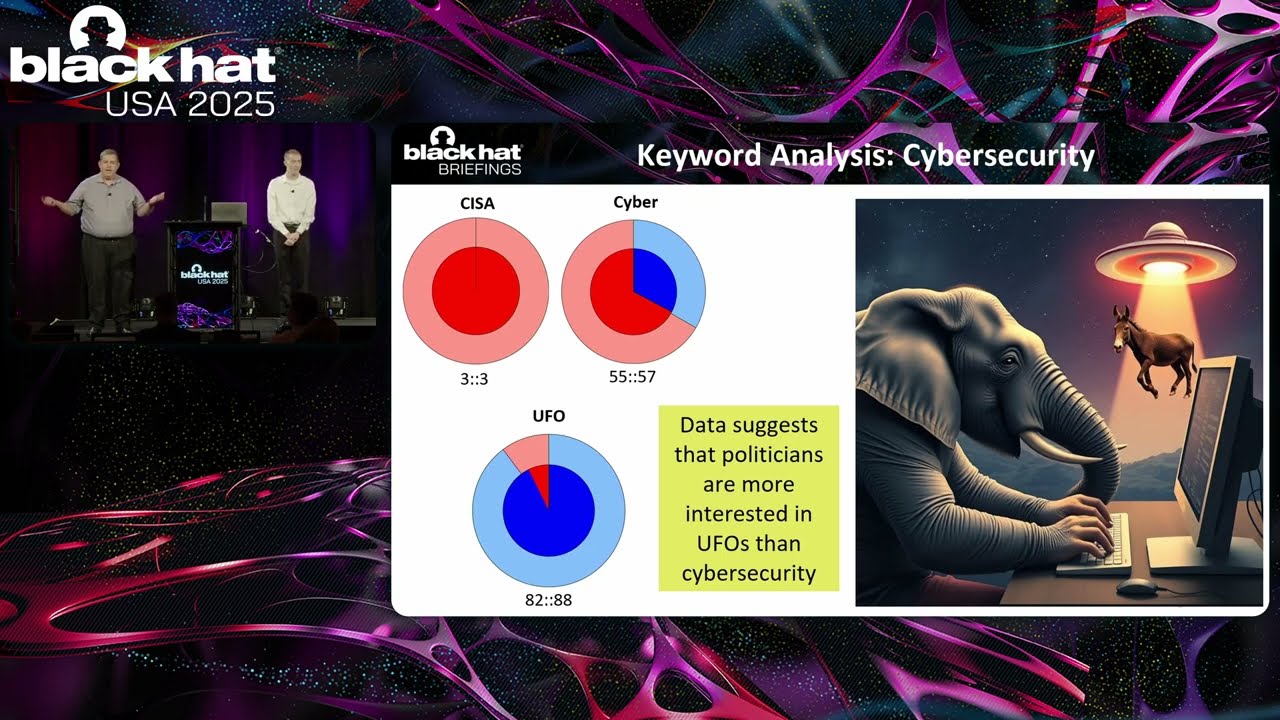
Building 1,400 Fake Voters to Measure Political Data Practices
Virginia Tech registered 1,400 fake identities to the 2024 US election cycle. Each identity was generated using demographic averages and a pseudo-random number generator. Addresses were verified against USPS records as nonexistent so no real person received spam. Each fake ID was used for the single-use identity signup process (06:19) exactly once per candidate — newsletter signup only.
That single-use constraint is what makes attribution possible. Any email arriving from a third party had to travel through the candidate the team originally signed up with. The candidate may not know they shared it, but the data proves they did.
Phone Results: More Scam Calls Than Political Ones
The team received over 34,000 calls and 7,000 voicemails across the 18-month collection period. Listening to all of them revealed that only 203 were actually political. Over half were scams. The pattern — Monday through Friday, 8 am to 6 pm — matched call center and scammer behavior exactly.
The reason: recycled VoIP numbers inherit the reputations of prior users. Once a number is reserved, scammers already have it in their lists. Michaels called for a simple telco-level fix: verify whether a number is actively assigned before letting a call through. His estimate was that such a check would eliminate 99% of the spam volume.
Email Volume, Timing, and the Cost of Reading It All
Democrats sent almost twice as many emails as Republicans across House, Senate, and presidential races. Biden was the top sender for every fake account, averaging 10.2 emails per day. After election day, volume across all parties dropped sharply.
Reading every email from a Senate Democrat would take 93 hours. Republicans sent far fewer overall, though they spiked before election day. As Michaels put it:
“nobody’s actually reading the content. So to some degree I don’t know why they’re sending it so many times.”
What the Emails Were Actually About: Donations, Not Policy
Word clouds stripped of donation terms showed candidates mostly talked about themselves. Policy issues were nearly absent. NATO appeared in 4,367 emails and was mentioned 7,184 times. Then:
“the word donate was in 17,000 emails and mentioned 52,000 times.”
One fake identity made a $5 donation following FEC rules. Email volume to that identity then multiplied by 2.5x compared to an identical non-donating account. Requests for additional donations grew 20% more urgent. The emails were not about issues.
PII Sharing: Who Leaked the Fake IDs and How Far They Spread
The single-use identities made sharing traceable. Three confirmed sharers: Joe Biden (joebiden.com forwarded to Harris’s campaign, delivering over 1,000 emails to identities never signed up for her), Adam Schiff (shared with three California Democrats, an abortion advocacy group, and a Maryland politician), and Kim Clasik (whose full list leaked via reply-all, including one from a Baltimore dojo). Roughly 5% of all candidates shared PII.
“85% of the candidates that shared lost their races.”
Thirteen months and two large PO boxes produced eight pieces of physical mail total.
“direct mail is dead in the national elections.”
Q&A
Has anyone set up a VoIP exchange to validate phone numbers before they are recycled? They were unaware of any such system and called on the audience to build one. ▶ 11:29
Notable Quotes
nobody’s actually reading the content. So to some degree I don’t know why they’re sending it so many times. Alan Michaels · ▶ 15:26
the word donate was in 17,000 emails and mentioned 52,000 times. Jared · ▶ 19:32
85% of the candidates that shared lost their races. Alan Michaels · ▶ 28:13
direct mail is dead in the national elections. Alan Michaels · ▶ 31:07
Key Takeaways
- 5% of candidates provably shared fake PII with third parties; 85% of those sharers lost their races.
- Donating even $5 multiplied future email volume by 2.5x and increased donation-request urgency by 20%.
- Political emails almost never discuss policy; ‘donate’ dominated every keyword analysis across both parties.